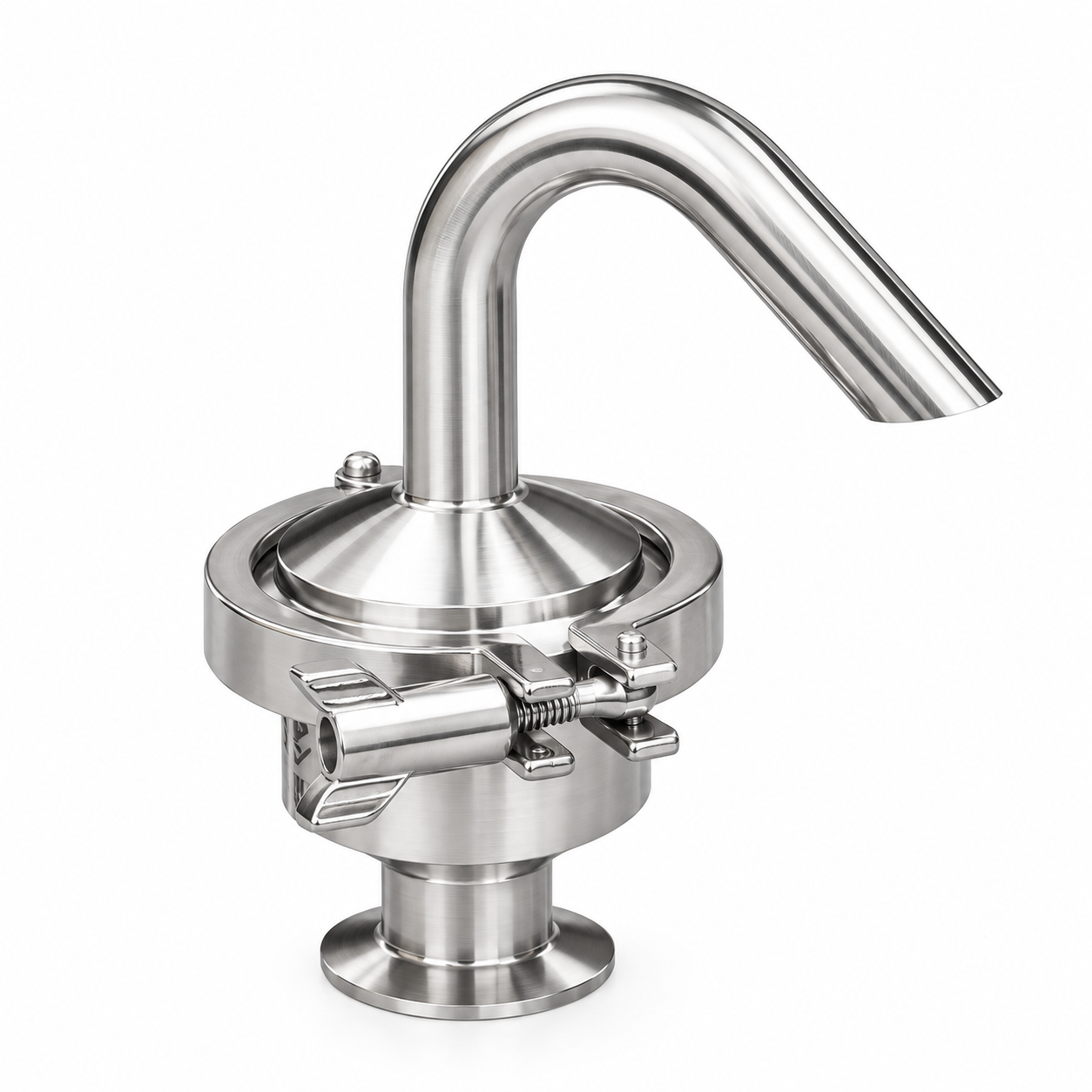
What Is a Pressure Reducing Valve?
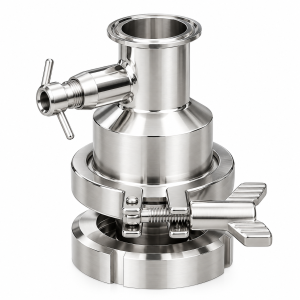
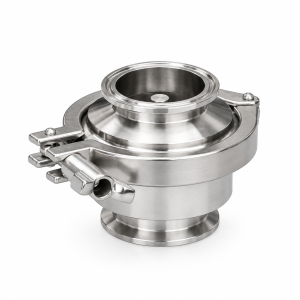
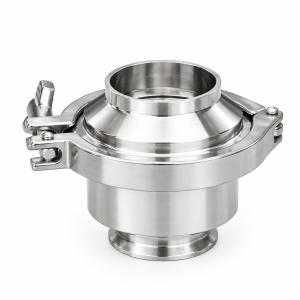
A pressure reducing valve controls the pressure of a process medium by reducing higher inlet pressure to a controlled downstream pressure.
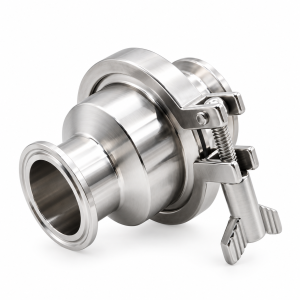
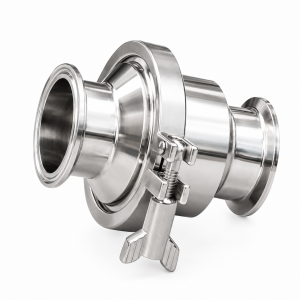
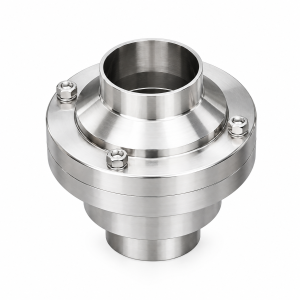
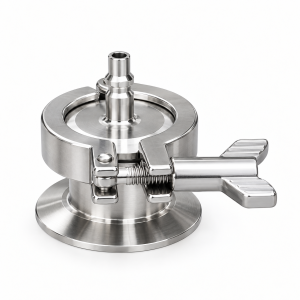
In sanitary process systems, a stainless steel pressure reducing valve can help maintain stable operating conditions and protect downstream equipment from excessive pressure.
Key Features
- Stainless steel sanitary construction
- Available in SS304 and SS316L
- Designed for pressure reduction and regulation
- Helps maintain controlled downstream pressure
- Suitable for hygienic process piping
- Compact valve construction
- Polished or sanitary surface finish available
- Suitable for food and pharmaceutical processing systems
- Connection configurations can be customized
- Pressure range selected according to application requirements
Stainless Steel Material Options
SS304 Stainless Steel
SS304 is commonly used in food, beverage, dairy, brewing, and general sanitary process applications.
SS316L Stainless Steel
SS316L provides enhanced corrosion resistance and is commonly selected for pharmaceutical, biotechnology, and more demanding hygienic process environments.
Applications
Pressure reducing valves can be used in:
- Food processing systems
- Beverage production
- Dairy processing
- Brewing systems
- Pharmaceutical manufacturing
- Biotechnology equipment
- Hygienic liquid processing
- Process water systems
- Tank and vessel systems
- Sanitary process pipelines
Technical Specifications
| Specification | Details |
|---|---|
| Product Name | Pressure Reducing Valve |
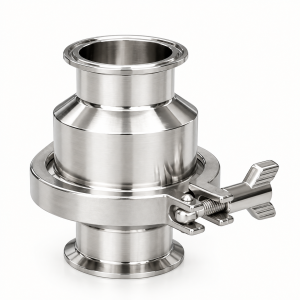
| Product Type | Stainless Steel Sanitary Pressure Reducing Valve |
| Material | SS304 / SS316L |
| Valve Function | Pressure Reduction / Regulation |
| Operating Method | Automatic Pressure Regulation |
| Connection Type | Sanitary / Customized |
| Pressure Setting | According to Application |
| Medium | Liquid / Process Medium |
| Surface Finish | Polished / Sanitary Finish |
| Application | Hygienic Process Piping |
| Industries | Food / Beverage / Dairy / Brewing / Pharmaceutical |
| Customization | Available |
How Does a Pressure Reducing Valve Work?
A pressure reducing valve uses an internal regulating mechanism to reduce inlet pressure and maintain the desired downstream pressure.
When downstream pressure changes, the valve adjusts its internal opening according to the configured pressure setting. The exact operating principle and pressure range depend on the specific valve design.
Why Choose a Stainless Steel Pressure Reducing Valve?
A sanitary stainless steel pressure reducing valve is useful when a process system requires controlled downstream pressure while maintaining hygienic piping conditions.
SS304 and SS316L construction provides corrosion resistance, while a suitable sanitary surface finish helps the valve integrate into hygienic process equipment.
FAQ
What is the main function of a pressure reducing valve?
Its primary function is to reduce and regulate downstream pressure from a higher inlet pressure.
What materials are available?
Common material options include SS304 and SS316L stainless steel.
Where are pressure reducing valves used?
They can be used in food, beverage, dairy, pharmaceutical, biotechnology, and other hygienic process systems where pressure regulation is required.
Can the pressure setting be adjusted?
Depending on the specific valve configuration, the pressure setting may be adjustable or supplied according to a specified process requirement.
Is this valve suitable for pharmaceutical applications?
SS316L configurations may be suitable for pharmaceutical and other hygienic applications when the complete valve configuration and surface finish meet the process requirements.
Can the connection be customized?
Yes. Connection type, dimensions, material, surface finish, and pressure requirements can be customized according to the application.
Product Inquiry
Please fill out the form below and we will contact you shortly.
Reviews
There are no reviews yet.